
Staying Safe, Active and Connected This Winter

Staying Safe, Active and Connected This Winter: A Simple Guide
Practical winter tips to help older people stay warm, healthy, happy and connected throughout the colder months.
Winter can be a wonderful time of year, with cosy evenings, festive celebrations and opportunities to spend time with loved ones. However, shorter days, colder temperatures and unpredictable weather can also bring additional challenges, particularly for older people.
At Later Life Care, we believe that getting older shouldn't mean missing out on the things that make life enjoyable. With a little preparation, some simple safety measures and regular opportunities for social connection, winter can be a comfortable, fulfilling and enjoyable season.
Here are our practical tips for staying safe, active and positive throughout the winter months.
1. Stay Warm, Safe and Comfortable at Home
Keeping warm during winter isn't just about comfort. Cold temperatures can affect health, particularly for older people or those living with long-term medical conditions.
A few simple steps can make a big difference:
- Keep your home comfortably heated. As a general guide, aim for at least 18°C in rooms you regularly use, and seek personalised advice if you have particular health needs.
- Dress in layers. Several thinner layers can help retain warmth better than one thick item of clothing. Warm socks, slippers and cosy blankets can also help.
- Keep moving. Gentle movement throughout the day helps maintain circulation and prevents stiffness.
- Prepare for icy conditions. Ensure outdoor paths are well-lit and free from ice where possible, and wear supportive footwear with good grip.
- Check heating and safety equipment. Make sure heating systems are working properly and smoke and carbon monoxide alarms are functioning.
It's also worth keeping a small supply of essential food, medication and household items in case bad weather makes getting out more difficult.
Our tip: Create a simple winter checklist with a family member, friend or carer. Having everything prepared can provide peace of mind for everyone.
2. Keep Active, Even When It's Cold Outside
When the weather turns chilly, it's tempting to stay indoors and settle into a favourite armchair. While there's nothing wrong with enjoying a relaxing afternoon, maintaining regular physical activity is important for strength, mobility, balance and general wellbeing.
The good news is that staying active doesn't have to mean heading out into the cold.
Consider trying:
- Gentle stretching or chair-based exercises.
- Walking around the home at regular intervals.
- Dancing to favourite songs.
- Practising balance exercises suited to your abilities.
- Joining an indoor exercise class or local community activity.
On milder days, a short walk in the fresh air can also be a great way to lift your mood and enjoy a change of scenery.
Remember that everyone's abilities are different. Choose activities that feel safe and comfortable, and seek advice from a healthcare professional if you're unsure what exercise is appropriate.
3. Make Time for Social Connections
One of the biggest challenges of winter can be loneliness. Shorter days, darker evenings and difficult weather may make it harder to visit friends, attend social activities or simply get out and about.
But staying connected is incredibly important for emotional wellbeing, regardless of age.
Here are some simple ways to maintain those valuable connections:
Arrange regular catch-ups. A weekly coffee with a friend, a family visit or even a quick telephone conversation can give everyone something to look forward to.
Explore local community activities. Libraries, community centres and local organisations often offer coffee mornings, hobby groups and social events for older people.
Make technology work for you. Video calls, messaging apps and online interest groups can help people stay in touch when travelling isn't practical.
Consider volunteering. Sharing your time, skills or experience with others can provide a wonderful sense of purpose and belonging.
Create a regular routine. Having a planned social activity each week can help prevent long periods of isolation.
For family members, a simple phone call or unexpected visit can make an enormous difference to someone's day.
Our tip: If you know somebody who lives alone, make a point of checking in regularly during the winter months. Small gestures of kindness can have a lasting impact.
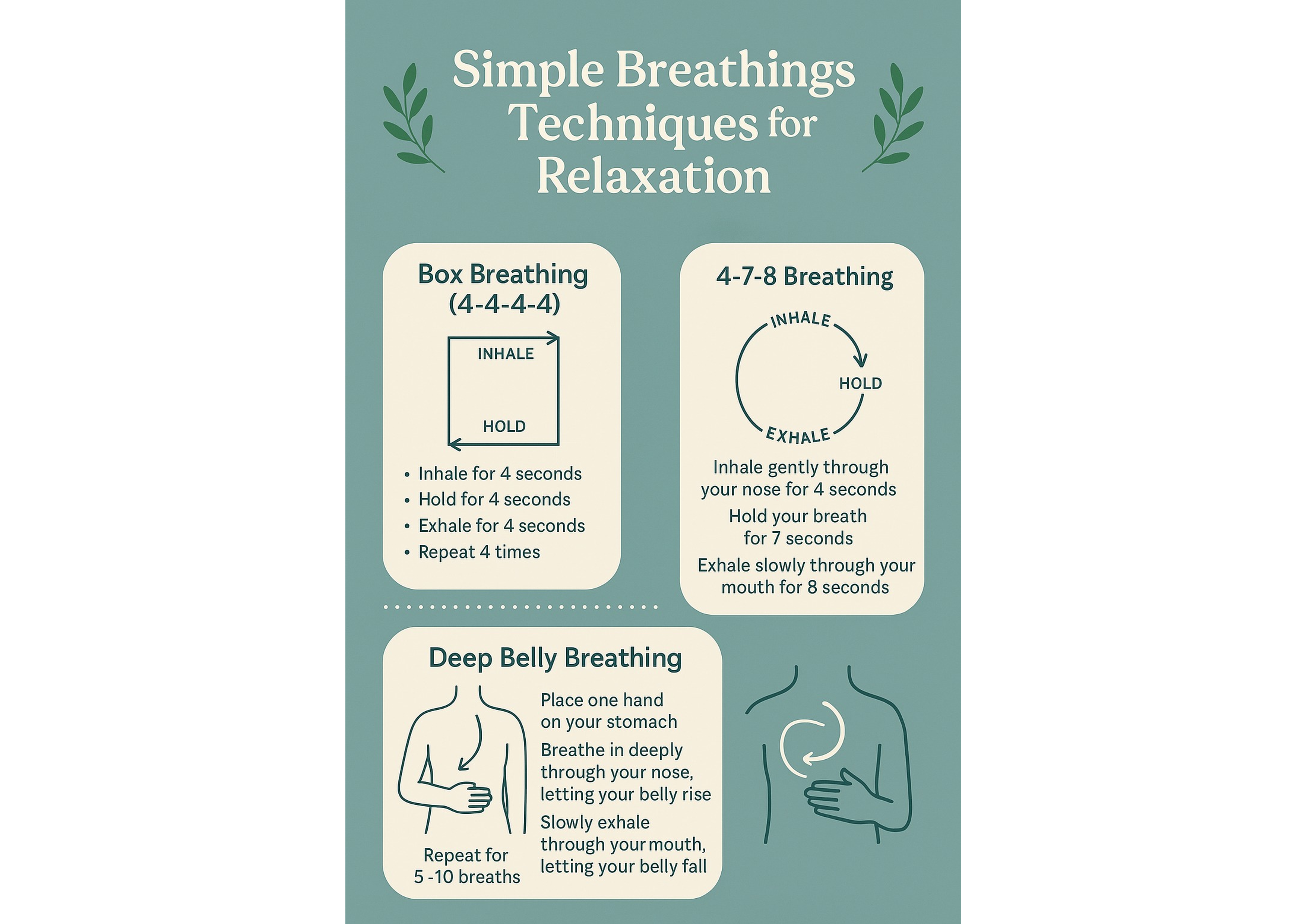
4. Look After Your Mental Wellbeing
Winter can affect our mood. Reduced daylight, changes to routine and fewer opportunities to socialise can leave some people feeling low, tired or less motivated.
Looking after mental health is every bit as important as looking after physical health.
Try incorporating some of these positive habits into your day:
- Make the most of natural daylight. Open curtains in the morning, sit near a window or spend a little time outdoors when conditions are safe.
- Maintain a daily routine. Regular mealtimes, activities and sleep patterns can provide structure and stability.
- Enjoy familiar hobbies. Reading, gardening, puzzles, knitting, painting or listening to music can all provide relaxation and enjoyment.
- Try something new. Learning a skill, joining a group or starting a small project can bring a renewed sense of achievement.
- Talk about how you feel. Sharing worries with a friend, relative or trusted professional can help prevent difficult feelings from becoming overwhelming.
It's important to recognise that persistent low mood, anxiety or loss of interest in everyday activities shouldn't simply be dismissed as a normal part of ageing. Support is available, and speaking to a GP can be a helpful first step.
5. Give Yourself Something to Look Forward To
Having enjoyable plans in the diary can make the winter months feel brighter.
They don't need to be expensive or elaborate. Often, it's the simplest activities that bring the greatest pleasure.
Why not try:
- Hosting an afternoon tea with friends or neighbours.
- Starting a book, film or music club.
- Visiting a local museum, garden centre or café.
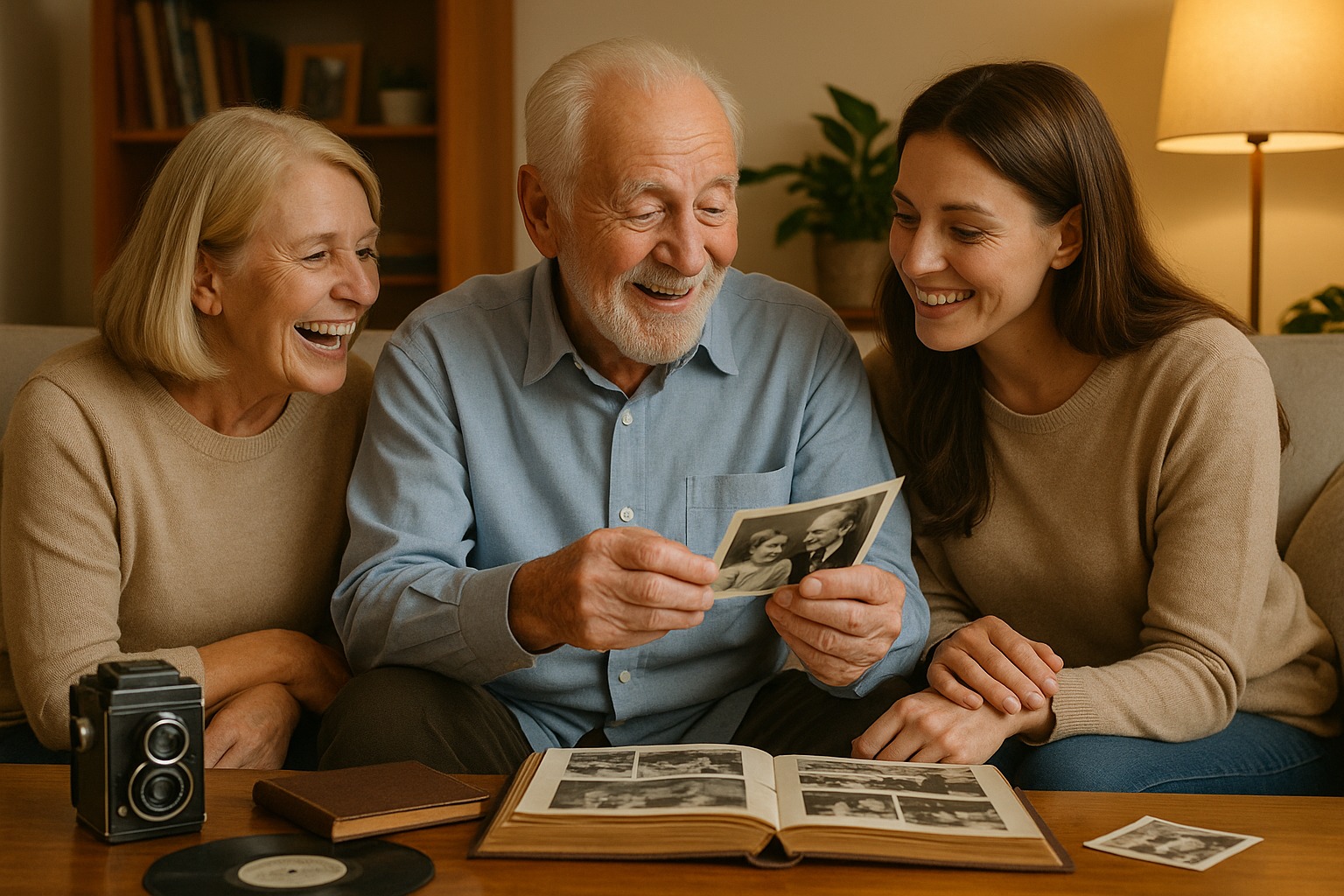
- Creating a scrapbook of favourite memories and photographs.
- Trying a new recipe or baking something to share.
- Planning a family games afternoon.
- Attending a local concert, craft group or community event.
For those who find it difficult to leave home, these activities can often be adapted to create enjoyable experiences indoors.
The key is to keep life interesting and maintain a sense of purpose, whatever the weather.
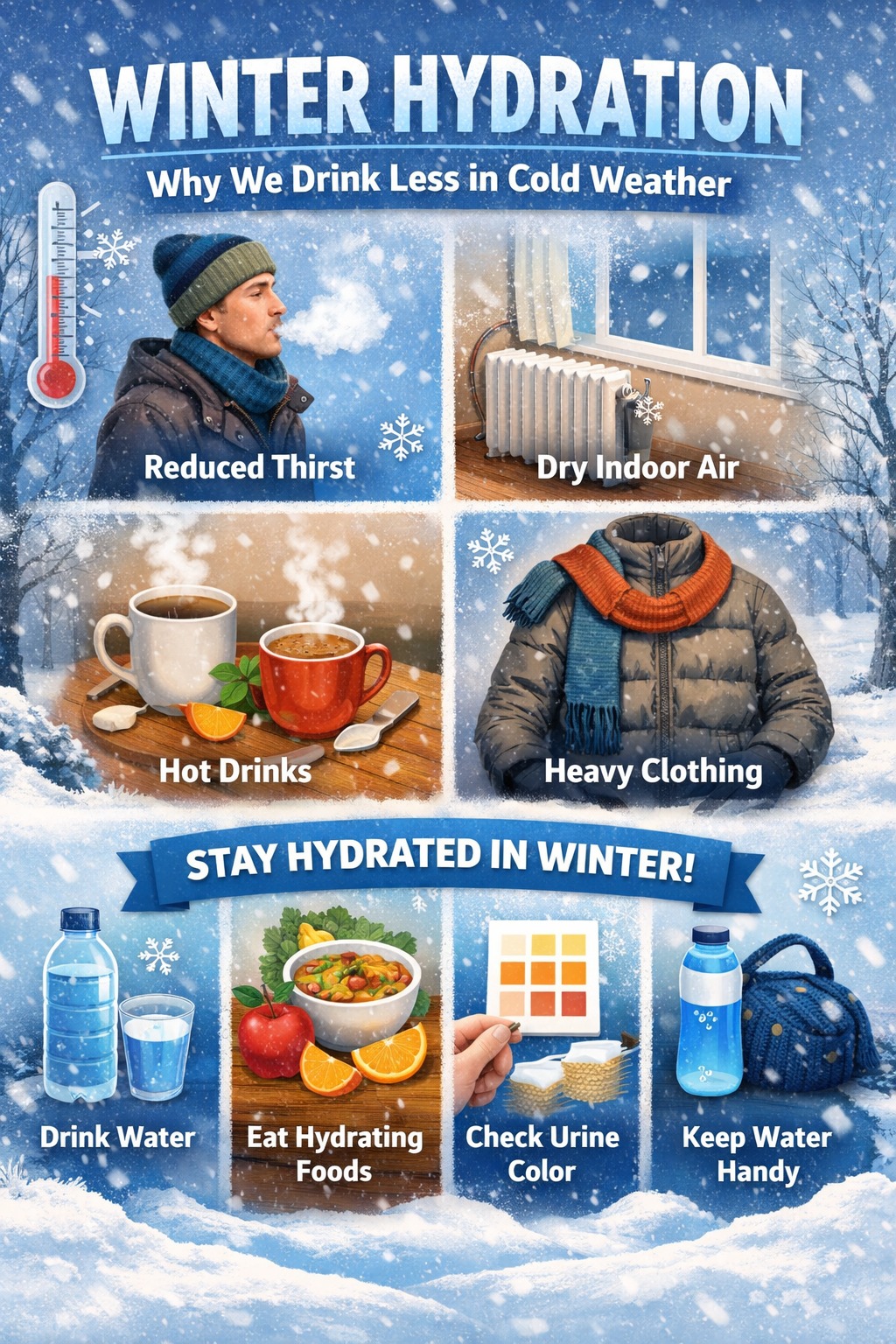
6. Eat Well and Stay Hydrated
Eating nutritious meals and drinking enough fluids are particularly important during the colder months.
It's easy to drink less water when the weather is cold, but dehydration can still be a concern.
A few helpful habits include:
- Enjoying regular, balanced meals that include protein, vegetables and fibre.
- Choosing warming dishes such as homemade soups, stews and casseroles.
- Keeping easy-to-prepare meals available for days when cooking feels difficult.
- Drinking regularly throughout the day, including water, milk and warm drinks.
- Asking for help with shopping or meal preparation when needed.
It's also worth checking whether you're eligible for seasonal vaccinations, such as flu and COVID-19 vaccinations, in line with current NHS guidance.
7. Don't Be Afraid to Ask for Support
Winter can make everyday tasks a little more challenging, whether that's collecting shopping, travelling to appointments, maintaining the home or getting out to social activities.
Asking for a helping hand isn't a loss of independence. In many cases, the right support can help someone continue living confidently and independently for longer.
Family, friends, neighbours, community organisations and care professionals can all play a valuable part.
If you're supporting an older relative, take time to ask how they're really managing. Sometimes the most important challenges aren't immediately obvious.
A conversation about how someone is feeling, what they enjoy and where they might appreciate some extra help can make a meaningful difference.
Making Winter a Season to Enjoy
Winter brings its challenges, but it also offers opportunities to slow down, reconnect with others and enjoy life's simple pleasures.
By staying warm, keeping active, maintaining friendships and taking care of mental wellbeing, older people can continue to enjoy a fulfilling and independent lifestyle throughout the colder months.
At Later Life Care, we believe that everyone deserves to feel safe, supported and connected, whatever the season.
Because later life should be about living well, not simply getting by.
If you or someone you care about could benefit from guidance or additional support, get in touch with Later Life Care to find out how we may be able to help.
Related Posts























Caring starts with knowledge
Join our mailing list for expert insights, local care news, and advice for supporting your loved ones at home.

Office
Visit us for a friendly chat and more information.